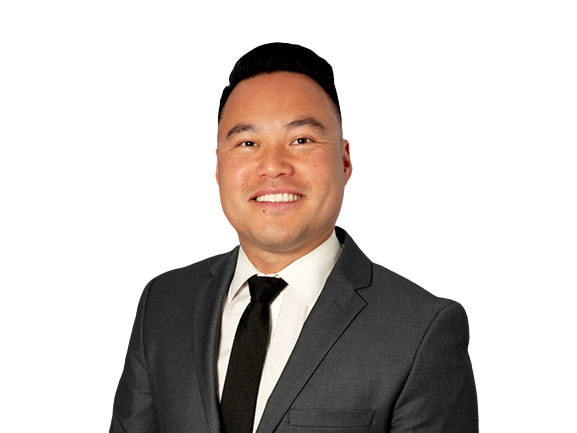
I'm Kevin Choy, a San Francisco native and real estate agent with Vanguard Properties, and also a firefighter. I recently represented a buyer through two SoMa condo pursuits, one we lost after five competing offers and one we're closing this week after finding better terms right down the street. Between those two deals and about 30 unit tours across the neighborhood's boutique buildings and high-rises, here's what I've actually seen.
What SoMa Is Really Like
SoMa sits south of Market Street, bordering Union Square, the Financial District, Mission Bay, and the Mission. It's flat, which makes it one of the easier neighborhoods in the city to walk or bike, and it gets more sun than the fog-belt neighborhoods to the west.
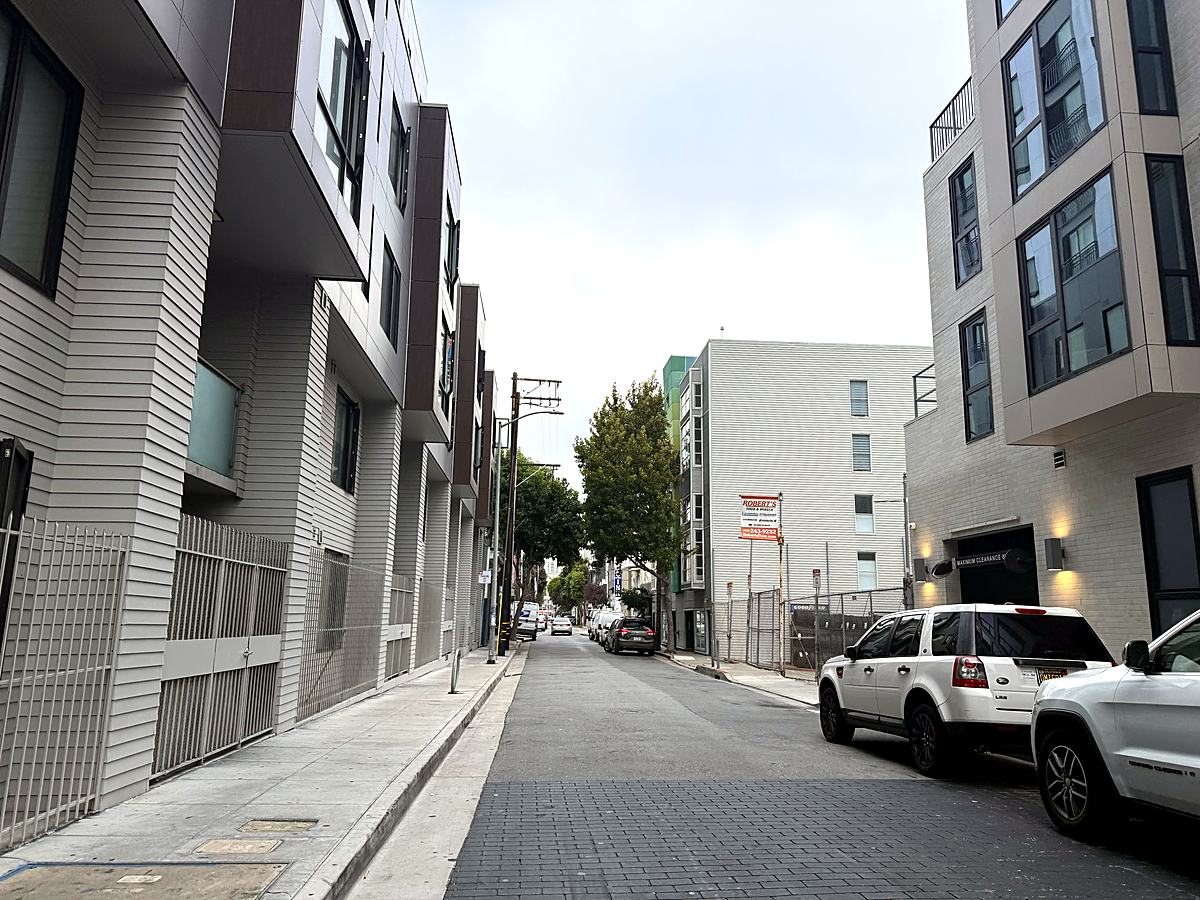
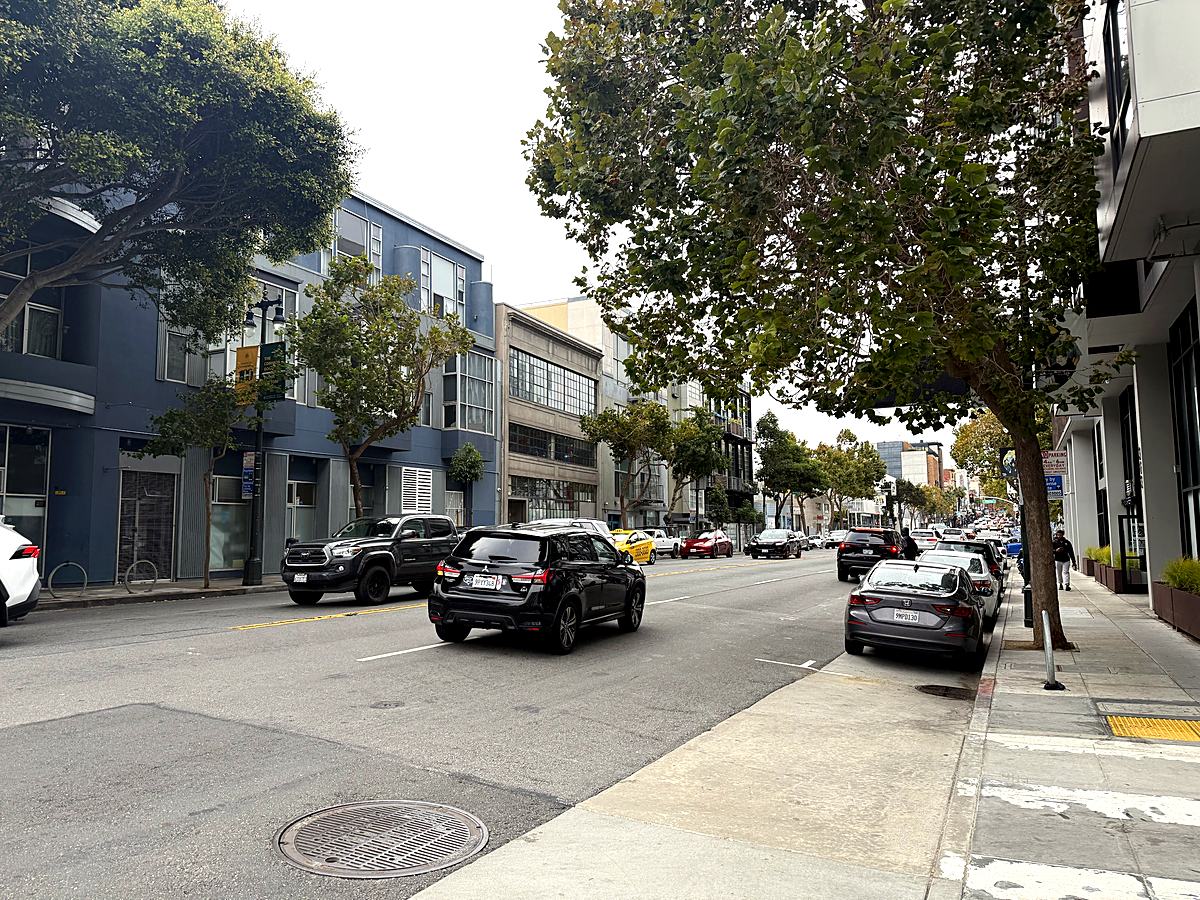
The neighborhood isn't one thing. Clara Street is small and quiet, the kind of block where you can't hear traffic with the windows closed. A few blocks over, Bryant, Harrison, 7th, 6th, 4th, and 10th carry the buses, bikes, and through traffic that keep SoMa loud during the day. I've toured units on both kinds of streets, and even on the busy ones, the buildings I walked through were quiet inside once the windows were shut. It's loud during business hours and quiet on weekends and after hours, a pattern I've noticed across nearly every building I've been in.
Homelessness is part of the neighborhood's reality, especially near the services and courthouse concentrated in parts of SoMa, though I've seen noticeably less of it in the last year than in years past.
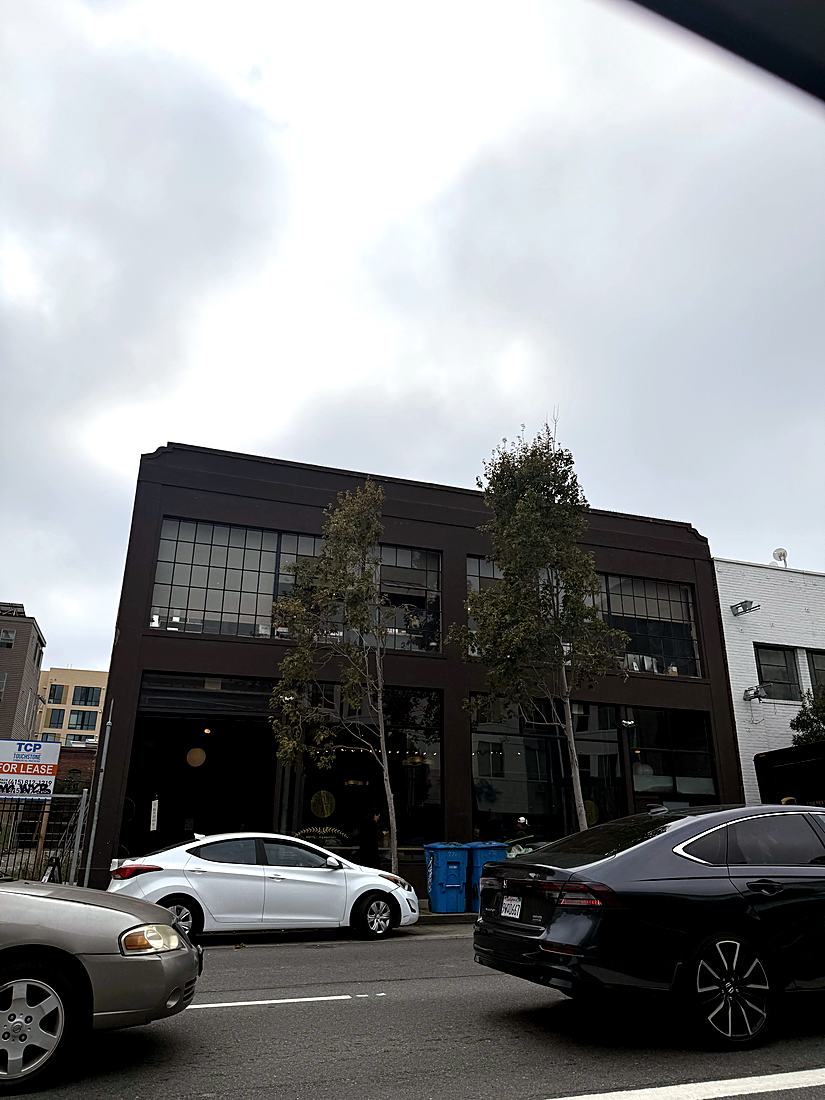
Most of what's for sale is lofts, converted warehouses, and mid-rise or high-rise condo buildings, many with amenities like a pool, gym, parking, and a 24-hour door person, depending on the building's HOA dues.
Who It's Right For, and Who It Isn't
SoMa works well for first-time buyers, tech workers, and commuters who bike or take Caltrain, Muni, or BART, and who still want quick freeway access. It's one of the most transit-accessible neighborhoods in the city.
It's not the neighborhood I'd point a family with young kids toward. I have two young kids of my own, and the honest reason is the street life: busy thoroughfares, not much built around kids block to block, and stretches I wouldn't walk with my kids after 7pm. I've seen other people point to Yerba Buena Gardens and the Children's Creativity Museum as reasons SoMa works for families, and they're right that it's a great place to spend a Saturday afternoon with kids. Living there day to day is a different question. Most families I've worked with in SoMa outgrow it within a few years and move on to more space.
The Market Right Now
I pulled SoMa condo sales from MLS to see how the market has actually moved since before the pandemic, comparing October 2019 closings to the last six months.
| Oct 2019 | Last 6 months | Change | |
|---|---|---|---|
| 1BR median $/sqft | $922 | $787 | down ~15% |
| 2BR median $/sqft | $1,111 | $820 | down ~26% |
| 1BR median days on market | 28 | 41 | slower |
| 2BR median days on market | 12 | 28 | slower |
What hasn't moved: units priced right still close right around list price, in both periods.
I saw that play out directly with a buyer of mine this year. We went after a 2nd-floor unit at 701 Minna with a patio, submitted a clean offer with no contingencies, and still lost it to a higher offer that had a loan contingency, once we learned there were five offers total. A week later we looked at a unit at 281 Clara that had already taken two price cuts and sat on the market about 90 days. We were the only offer, and we wrote much better terms. Same neighborhood, same month, two different outcomes, because of how each seller priced the unit going in.
Life in SoMa
For coffee, I send people to Sightglass Coffee. DeliBoard and Box Kitchen are solid, quick options for lunch. Yerba Buena Gardens is the closest thing SoMa has to a central park, worth a stop if you have kids visiting even if you're not raising them here day to day. The Metreon rounds it out for a movie or an easy indoor stop.
Most of the newer buildings also come with their own amenities built in, which is part of why some buyers here don't lean on the neighborhood the way you would somewhere with more corner shops and cafes.
What's Changing
Nothing specific stands out right now beyond the broader downtown recovery underway across San Francisco. This section will get updated as real changes show up on the ground rather than speculation about what's coming.
Common Questions About SoMa
Do SoMa condo values hold?
Not consistently, and not yet fully. Pulling MLS data myself, 2-bedroom condos here are down about 26% in price per square foot from October 2019, and 1-bedrooms are down about 15%. SoMa was hit harder than the rest of San Francisco during the pandemic-era downtown slump, driven by remote work and empty offices, and going back further, by issues like the Millennium Tower's lean and heavier new construction in the area. It is recovering, with broader downtown/SoMa reporting showing price gains over the past year, but the neighborhood still trails its 2019 peak. What has stayed steady through all of it: a unit priced at or near its comps still sells close to list price.
Is SoMa safe?
My buyer never felt unsafe here, and he knew the neighborhood going in. I wouldn't walk some of these blocks with my own kids after 7pm, especially near the concentration of homeless services and the courthouse. I've also seen noticeably less street homelessness over the last year than in years past. Like most of San Francisco, it varies block by block, and I'd rather walk a specific block with you than give you a blanket answer.
Does the unit come with parking?
In the buildings I've toured, deeded parking was included in the purchase price rather than sold separately. Street parking around SoMa is a mix of 2-hour zones and meters that run until 6pm, so plan around that if you're relying on street parking day to day.
What does live/work zoning mean for me?
Almost nothing in practice today. San Francisco created live/work zoning in 1988 to allow housing in industrially zoned areas, on the condition that residents use the space as artist studios and that at least one occupant hold a business license. Over 70% of the roughly 1,700 units built under that zoning ended up in SoMa. That requirement was barely followed even in the 1990s and isn't enforced now. Financing used to be harder for live/work units because some lenders wouldn't touch them, but that stopped being an issue roughly a decade ago. I'd still check a building's recent loan activity to confirm current lenders are financing it, but otherwise the ceiling height and exposed brick are the main things you'll actually notice.
Is SoMa noisy after business hours?
No, in my experience. Even on busier streets like Bryant and Folsom, the units I've toured were quiet with the windows closed, and the neighborhood as a whole quiets down on evenings and weekends. Business hours are when you'll notice the traffic, buses, and bikes.
How do HOA dues break down?
I've seen dues run about $600 a month in smaller boutique buildings like 701 Minna and 281 Clara, usually with parking included. Full-amenity buildings like Yerba Buena Lofts at 855 Folsom and 73 Sumner run closer to $1,000 a month for a pool, gym, parking, 24-hour door person, outdoor space, and a BBQ area. Higher dues usually mean a better-funded reserve, but they also mean owners who can more easily absorb a special assessment if one comes up. Lower-dues buildings can carry more risk on that front. Either way, ask for the reserve study before you write an offer.
Is SoMa good for families with young kids?
It can work for a visit, not for day-to-day life, in my experience. Yerba Buena Gardens and the Children's Creativity Museum are genuinely good for an afternoon with kids. But most SoMa housing stock is one and two bedroom condos, the streets are busier than a family neighborhood, and I wouldn't walk certain blocks with my kids after dark. Most families I've worked with in SoMa outgrow it within a few years.
What's the commute like from SoMa?
SoMa is one of the most transit-accessible neighborhoods in the city. It's bikeable to Caltrain, Muni, and BART, and it has quick freeway access if you're driving out of the city for work.
A Real SoMa Deal
Earlier this year I represented a buyer on a 2nd-floor unit at 701 Minna with a patio. We did our homework before writing anything: I pulled the HOA reserve study and it showed reserves funded at about 35%, with no special assessments or dues increases suggested, so nothing there gave us pause. We submitted an offer, and the listing agent told us there were five offers total. I told my buyer that if this was the one he really wanted, now was the time to push. He agreed, we learned the competition was landing closer to $780,000, and we held at $760,000 with the understanding that we'd walk away if it didn't work. We went in with no contingencies. We still lost, to a higher offer that had a loan contingency attached. Price beat terms.
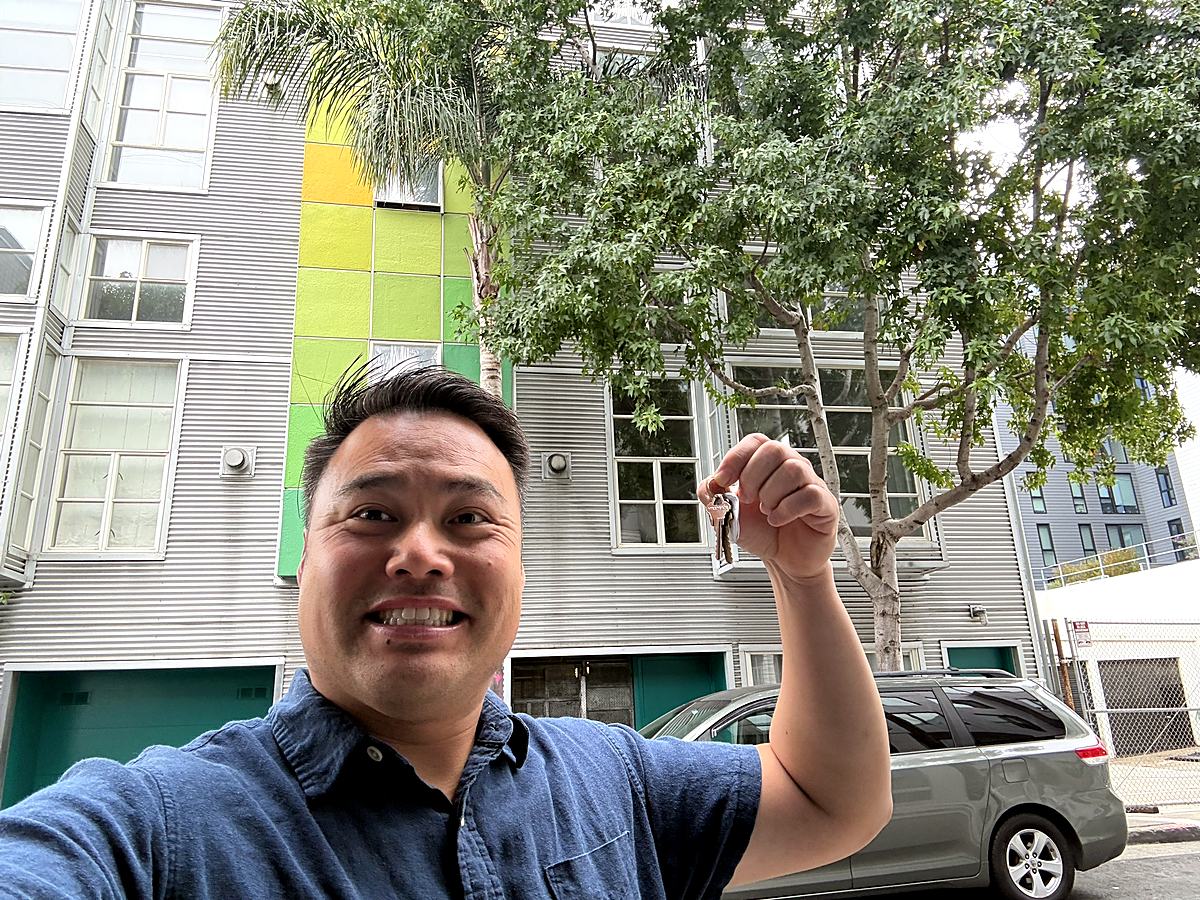
A week later we toured 787 Bryant and 281 Clara. He liked Clara, but not as much as Minna: Clara was on the third floor with no elevator and no patio, versus Minna's second floor with a patio. But 281 Clara had already taken two price cuts and had been sitting for about 90 days. We were the only offer on the table, and we wrote terms that would have been impossible to get on Minna. We're closing on it this week.
The lesson I took from it: the property you want most isn't always the one that makes the most financial sense, and sometimes losing the bidding war on one unit puts you in a much stronger position on the next.
Want the full story?
Read the complete case study behind this deal, start to finish, including the numbers.