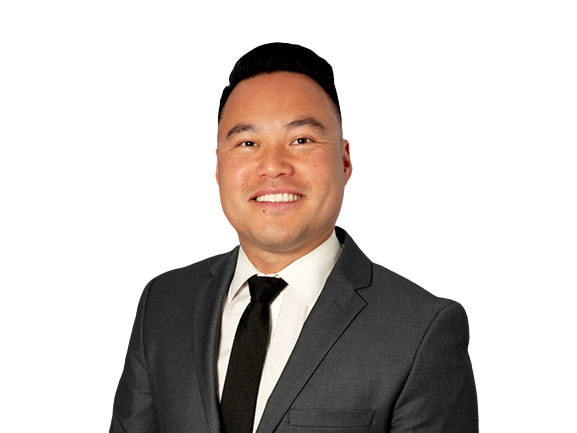
I'm Kevin Choy, a San Francisco native and real estate agent with Vanguard Properties, and also a firefighter. I didn't just grow up near the Sunset, I grew up in and around it, and today my own kids go to school here. I've toured more homes in this neighborhood than I can count, and between those tours and simply living around it my whole life, here's what I've actually seen.
What the Sunset Is Really Like
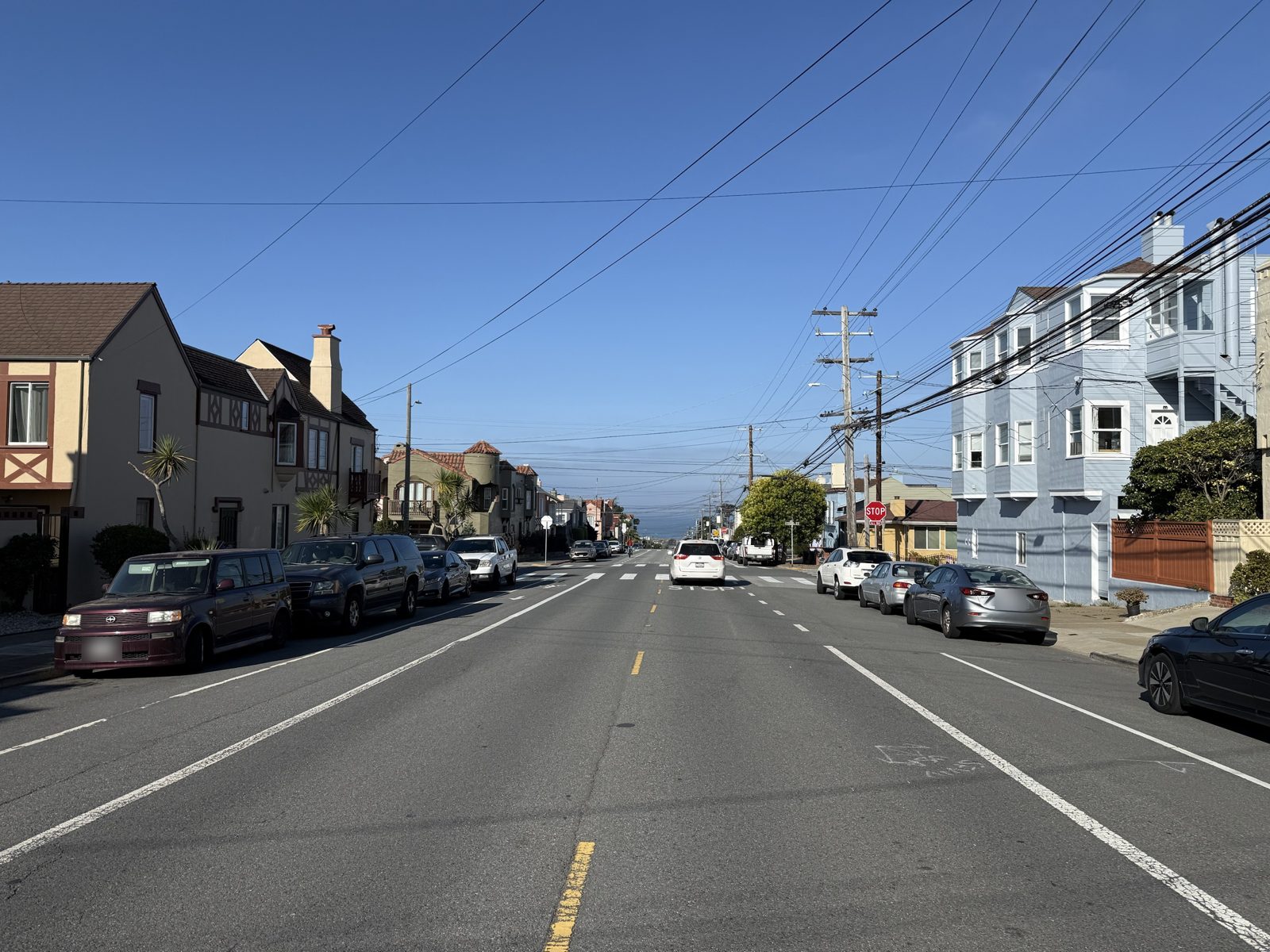
The Sunset sits on the west side of San Francisco, bordered by the Pacific Ocean, Golden Gate Park, Twin Peaks, and Lake Merced. It's flat, the streets are wide, and it feels like a different pace of city living the moment you turn off 19th Avenue.
Yes, it gets foggy, but less than it used to. Because the Sunset sits right against the ocean, it runs colder than the rest of the city. In summer, when it's hot inland, that heat pulls low pressure and fog in off the water, and the Outer Sunset gets hit harder than the Inner Sunset. The rest of the year the fog backs off quite a bit.
The neighborhood breaks into a few distinct strips, each with its own character. Irving, Noriega, and Taraval carry most of the day to day life, along with the 9th and Irving and 19th and Irving corridors. The closer you get to the beach, the more that laid back beach town feel takes over. Away from the beach, it's mostly independent small businesses running the show.
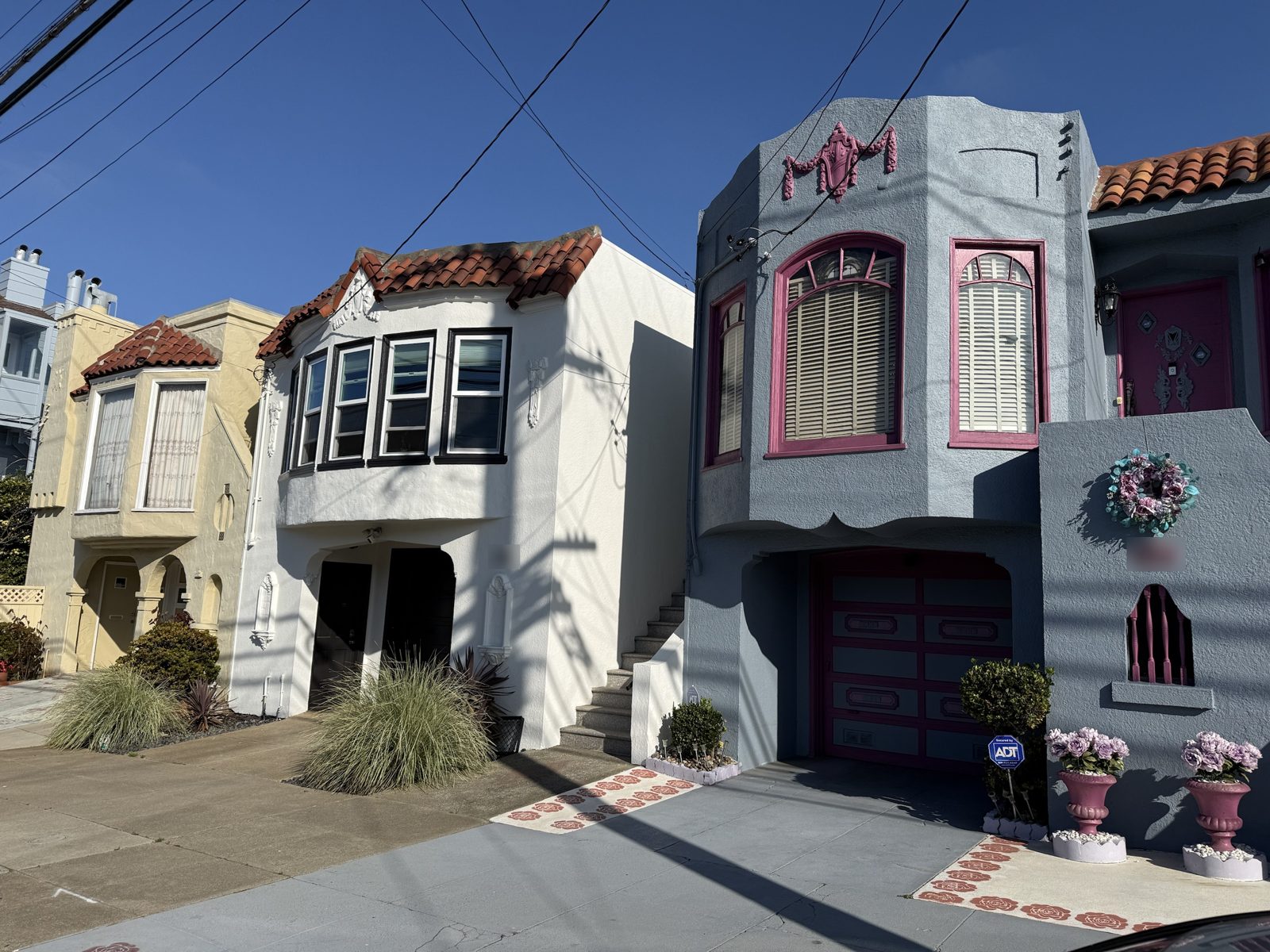
Housing here follows maybe five basic layouts, most of it built later in San Francisco's history than neighborhoods like the Mission or Noe Valley. A lot of homes have been opened up inside with a more modern, open concept layout. The typical setup is two or three bedrooms upstairs, a garage below, and either an in-law unit or the space to build one.
The closer you are to Inner Sunset, the more expensive it gets, largely because the weather is better that close to the park. The closer you are to the beach, the quieter and more laid back it gets. Parking is genuinely easier here than almost anywhere else in the city. Most homes have a garage, and some even have driveway space on top of that. It's also a great neighborhood to have an e-bike in. You're close to the park, close to the beach, and close to grocery stores, so you can get around without needing the car for everything.
Who It's Right For, and Who It Isn't
The Sunset is a strong fit for families who want good schools and a real lineup of kid friendly activities close to home. It also works for couples without kids who want a quiet place to put down roots, and for buyers thinking long term about investment, since the neighborhood holds its value.
It's not the neighborhood for someone chasing nightlife or a high walk score. You'll need a car or a bike more than you might in other parts of the city. There's public transit out here, but you're on the western edge of San Francisco, so getting downtown takes longer than it would from somewhere more central. What you get in exchange is quiet and community. What you give up is being in the middle of everything.
The Market Right Now
Here's what I'm seeing in the Sunset right now, based on what's actually closing and how long it's taking to close.
| Metric | Right Now |
|---|---|
| Median sale price | $1.8M |
| Average days on market | 11 days |
| Typical offers on a well-priced home | 8–12 |
A big part of what holds prices up here is simple: the schools are good, there's almost no available land to build on, and there are no real plans to add more housing. That scarcity isn't going away anytime soon.
Life in the Sunset
You'll find people eating at Damn Fine Pizza, Fiorella, Tartine, and Hook Fish Co., grabbing coffee at Andytown Coffee Roasters and Saint Frank Coffee, and picking up a glass of wine at Palm City Wines. Whitecap and Underdogs Tres both draw a crowd for a casual meal or a game on the TV. For getting outside, people walk their dogs and take their kids to the Great Highway, Ocean Beach, Golden Gate Park, and the San Francisco Zoo.
What's Changing
The Great Highway is in the middle of a real transformation, converting into parkland, and it's changing how people use that stretch of the coast. Home prices have continued to climb, and if you've spent any time out here lately, it feels like the number of sunny days has actually been going up too.
Common Questions About the Sunset District
What are the schools like in the Sunset?
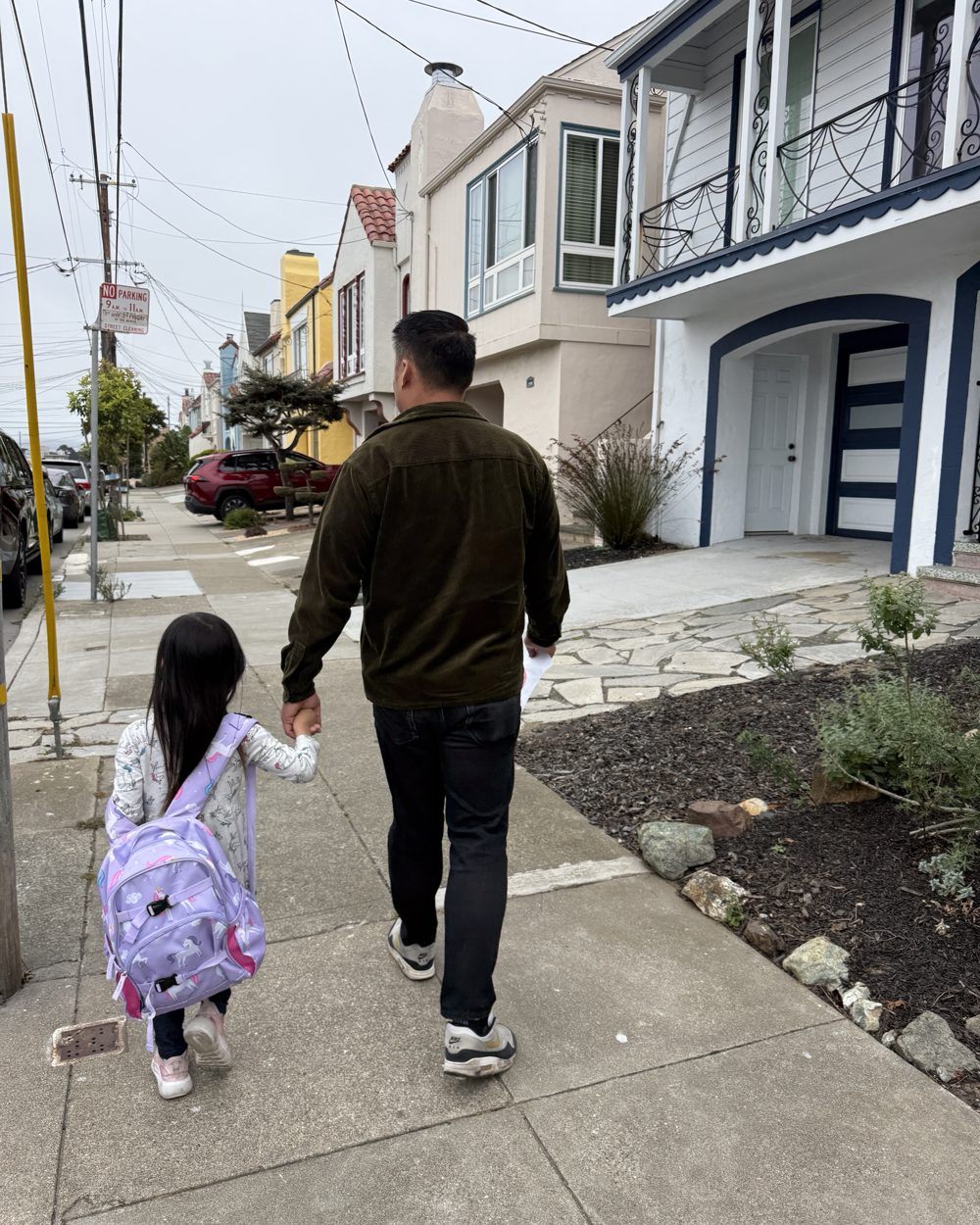
The Sunset has some of the most sought after public schools in San Francisco, including Robert Louis Stevenson Elementary, Lawton Alternative School, and Alice Fong Yu Alternative School. My own kids go to school here, and schools are one of the biggest reasons the families I work with look at the Sunset. They're also a big part of why the neighborhood holds its value. One thing buyers should know: living near a school doesn't guarantee your child a seat there, so talk through how SFUSD enrollment works before you make it the deciding factor on a home.
What's the commute like from the Sunset to downtown?
It takes longer than living somewhere more central. There's public transit, but because the Sunset sits on the western edge of the city, getting downtown takes more time than it would from a neighborhood like the Mission or Hayes Valley. Plan on driving or biking more than you might elsewhere in San Francisco.
Is parking difficult in the Sunset?
No, and that surprises a lot of people moving from other parts of the city. Most homes come with a garage, and some even have driveway space on top of that. It's one of the easier neighborhoods in San Francisco to own a car in.
Does the Sunset actually get foggy?
Yes, but it's less foggy than it used to be. Because it sits right against the ocean, the Sunset runs colder than the rest of the city, and summer is the foggiest stretch. The Outer Sunset gets hit harder than the Inner Sunset. The rest of the year, the fog isn't much of an issue.
Is the Sunset a good long term investment?
It's held its value consistently, largely because there's almost no land left to build on and no real plans to add housing stock. Combined with strong schools, that scarcity has kept demand steady.
What's the difference between the Inner Sunset and the Outer Sunset?
The Inner Sunset, closer to Golden Gate Park, tends to run warmer and costs more because of it. The Outer Sunset, closer to the beach, is quieter, more laid back, and has that beach town feel to it.
A Real Example From the Sunset
One home a few doors down from another told two very different stories this year. One was priced correctly from the start, pulled 15 offers, and closed for a million dollars over asking. The other, just down the block, was overpriced from day one. A month later it was still on the market, and instead of adjusting, the sellers raised the price. They may still get the number they want eventually, but it's a clear example of what happens when a listing isn't priced and marketed right for a neighborhood like this one, even with demand this strong.
I watch pricing patterns like this closely because they tell you more about a neighborhood's real appetite than any single listing does.